
Common Ways of Holding Title
Ashlyn Moore August 4, 2024
Ashlyn Moore August 4, 2024
How Should I Take Ownership of the Property I am Buying?
Real property can be incredibly valuable, and the question of how parties can take ownership of their property is important. The form of ownership, or the vesting of title, will determine who may sign various documents involving the property and future rights of the parties to the transaction. These rights involve such matters as: real property taxes, income taxes, inheritance and gift taxes, transferability of title and exposure to creditors’ claims. Also, how title is vested can have significant probate implications in the event of death.
The Land Title Association (LTA) advises those purchasing real property to give careful consideration to the manner in which title will be held. Buyers may wish to consult legal counsel to determine the most advantageous form of ownership for their particular situation, especially in cases of multiple owners of a single property.
The LTA has provided the following definitions of common vesting as an informational overview. Consumers should not rely on these as legal definitions. The Association urges real property purchasers to carefully consider their titling decision prior to closing, and to seek counsel should they be unfamiliar with the most suitable ownership choice for their particular situation.
Common Methods of Holding Title
Sole ownership may be described as ownership by an individual or other entity capable of acquiring title. Examples of common vesting in cases of sole ownership are:
Title to property owned by two or more persons may be vested in the following forms:
Other ways of vesting title include:
In cases of corporate, partnership, L.L.C., or trust ownership, required documents may include corporate articles and bylaws, partnership agreements, L.L.C. operating agreement, and trust agreements and/or certificates.
How title is vested has important legal consequences. You may wish to consult an attorney to determine the most advantageous form of ownership for your particular situation.

Ever wonder how mortgage funding actually works? Discover the cycle of mortgage-backed securities and the role of Fannie, Freddie, and Ginnie Mae.
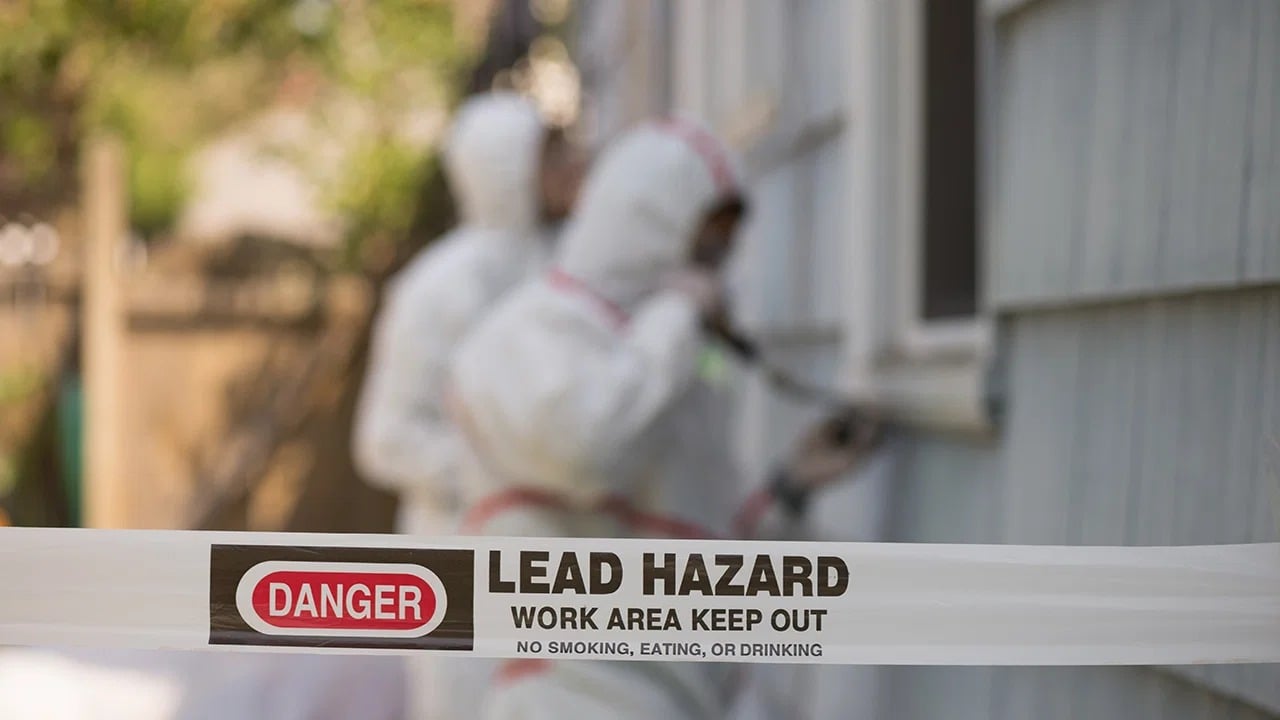
Understanding the risks of lead poisoning in older homes and what buyers and sellers need to know about disclosure requirements.

A strategic guide to navigating the home selling process, from understanding your motives to closing the deal with confidence.

Discover the truth about biweekly mortgage plans and learn how to achieve the same financial savings on your own for free.
Understand why title insurance is a necessary part of the refinancing process and how it protects your lender's investment.

Understand the environmental risks and contractual considerations of underground heating oil tanks when buying or selling a home.

Understanding the differences between hot, normal, and cold real estate markets to help you make informed buying decisions.

Explore the pros and cons of using a land contract as an alternative to traditional non-conforming loans for your property purchase.
Understanding the essential title insurance requirements when holding real property in a living trust.
Whether buying, selling, or relocating between California and Texas, Ashlyn Moore delivers an elevated real estate experience built on integrity, clear communication, and proven results.

Ashlyn Moore | CA DRE# 02018919
Award-Superstars
[email protected]
(949) 274-5840
16000 Preston Rd Ste 100 Dallas, TX 75248 22342 Avenida Empresa Ste 150 Rancho Santa Margarita, CA 92688