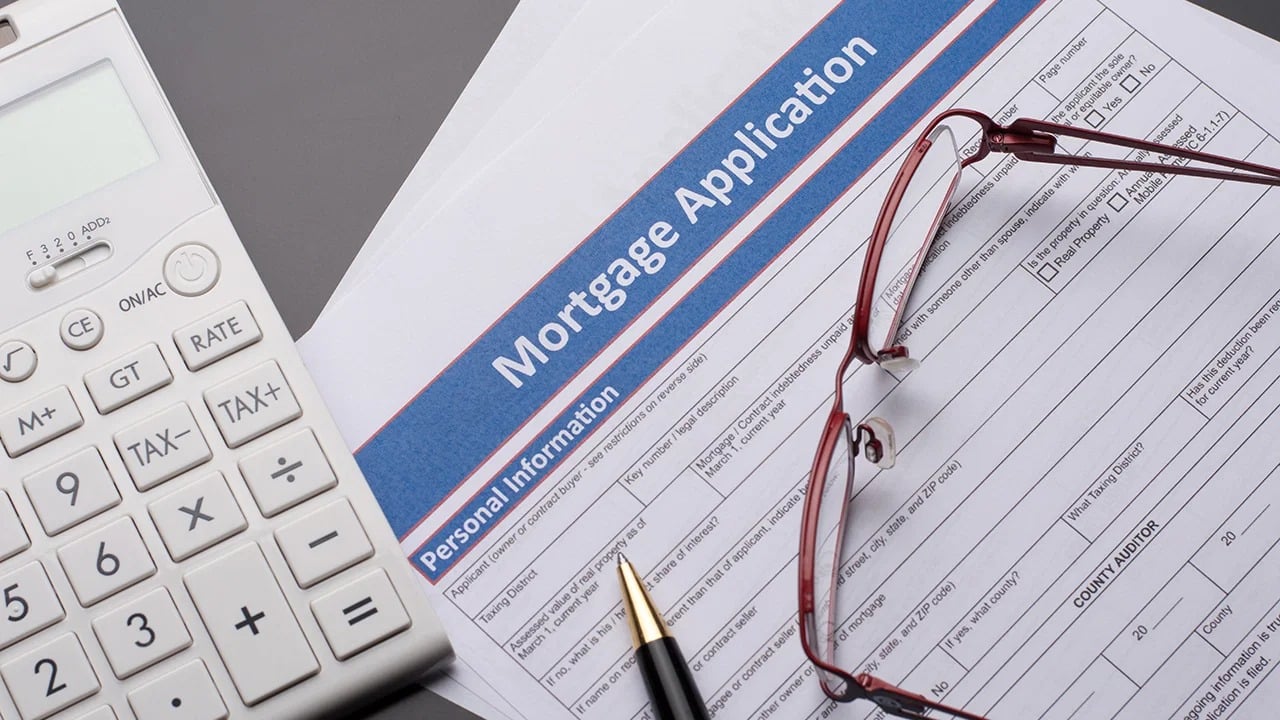
Getting a Legitimate Lender and Getting Pre-Approved
Ashlyn Moore August 15, 2024
Ashlyn Moore August 15, 2024
It used to be that buyers could go house shopping and, when they found their dream home, then they would go to get pre-approved. However, in today’s market, that has proven to be one of the least effective methods in landing the dream home.
Most lenders can pre-qualify you for a mortgage over the phone. Based on general questions about your income, debt, assets, and credit history, lenders can estimate how much mortgage you qualify for. However, being pre-qualified and pre-approved are different things. Pre-approval means that you have applied for a mortgage; you have filled out the mortgage application, received your credit report, and verified your employment, assets, etc. When you are pre-approved, you know exactly what the maximum loan amount will be.
A pre-qualified letter is not verified and, in essence, does not count for much if you are competing with other buyers who are pre-approved. When you are pre-approved, you and the seller know exactly how much house you can afford. It gives you credibility as an interested buyer and lets the seller know immediately that you will qualify for a loan to buy their property.
In addition to being pre-approved, it’s important to be pre-approved with a legitimate lender. Legitimate lenders include: banks, mortgage bankers, credit unions, savings and loan associations, mortgage brokers, and online lenders.
Some lenders to avoid: those who lose a form or misplace a file, those who gather information from you in an unorganized manner, those who are not informed about interest rates, points, or costs, and those who cannot provide you with the right information.

Ever wonder how mortgage funding actually works? Discover the cycle of mortgage-backed securities and the role of Fannie, Freddie, and Ginnie Mae.
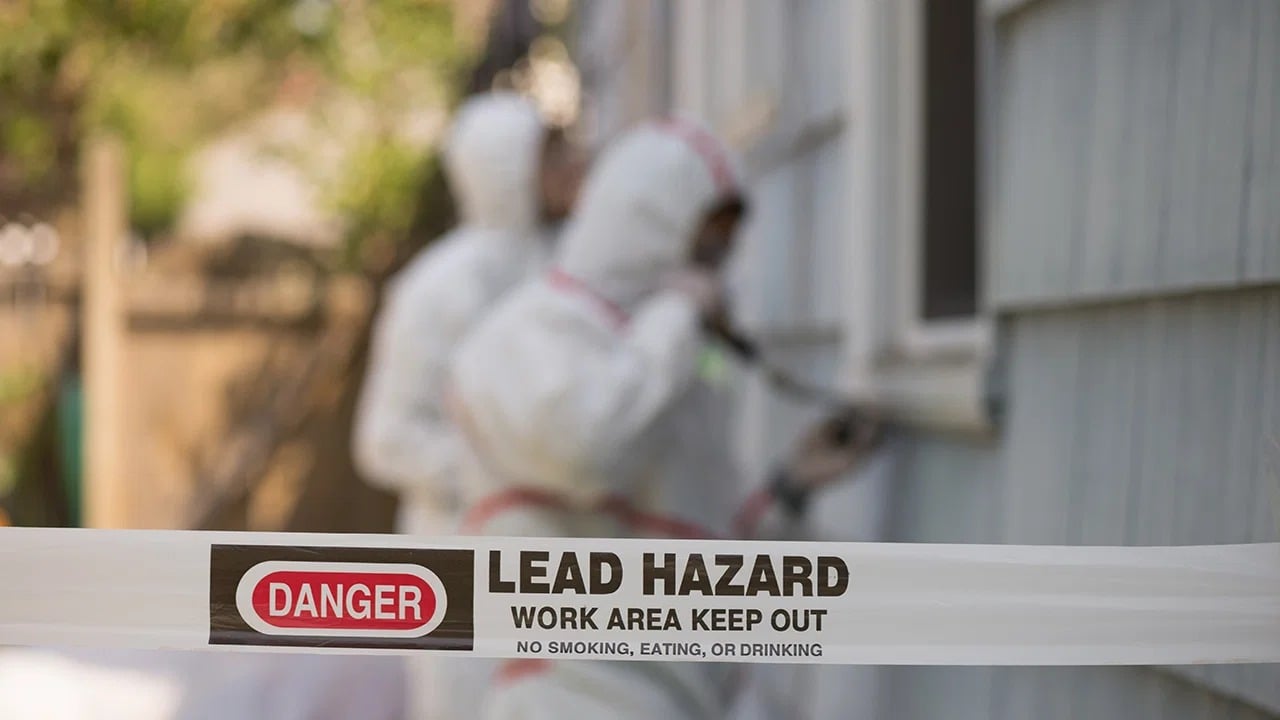
Understanding the risks of lead poisoning in older homes and what buyers and sellers need to know about disclosure requirements.

A strategic guide to navigating the home selling process, from understanding your motives to closing the deal with confidence.

Discover the truth about biweekly mortgage plans and learn how to achieve the same financial savings on your own for free.

Understand why title insurance is a necessary part of the refinancing process and how it protects your lender's investment.

Understand the environmental risks and contractual considerations of underground heating oil tanks when buying or selling a home.

Understanding the differences between hot, normal, and cold real estate markets to help you make informed buying decisions.

Explore the pros and cons of using a land contract as an alternative to traditional non-conforming loans for your property purchase.

Understanding the essential title insurance requirements when holding real property in a living trust.
Whether buying, selling, or relocating between California and Texas, Ashlyn Moore delivers an elevated real estate experience built on integrity, clear communication, and proven results.

Ashlyn Moore | CA DRE# 02018919
Award-Superstars
[email protected]
(949) 274-5840
16000 Preston Rd Ste 100 Dallas, TX 75248 22342 Avenida Empresa Ste 150 Rancho Santa Margarita, CA 92688