
Required Reporting to the I.R.S.
Ashlyn Moore August 12, 2024
Ashlyn Moore August 12, 2024
Sellers of real property will have certain information regarding the sale reported to the Internal Revenue Service.
This required reporting is a consequence of the Tax Reform Act of 1986; it is intended to encourage taxpayer compliance and aid in audit and enforcement efforts by the I.R.S.
To help you better understand this subject, the Land Title Association has answered some of the questions most commonly asked about Required Reporting to the I.R.S.
Sellers of real property, under guidelines established by the I.R.S., are required to have their gross proceeds from the sale reported on a Form 1099S. When a settlement agent is used, the I.R.S. makes this agent responsible for the delivery of the information on the Form 1099S.
The settlement agent generally will be the escrow agent or title company; however, it may be an attorney, real estate broker, or other person providing settlement services.
The Form 1099S is the reporting form adopted by the I.R.S. for submitting the information required by law.
The information will be transferred onto magnetic media by the settlement agent, who will store the information and make the required report to the I.R.S. The settlement agent is also responsible for keeping a master copy of all transactions reported.
In general, information required by the I.R.S. falls into the following categories:
Currently, typical homeowner transactions covered include sales and exchanges of 1-4 family residential properties such as houses, townhouses, and condominiums. Also reportable are sales or exchanges of improved or unimproved land, commercial or industrial buildings, condominiums, stock in a cooperative housing corporation, and mobile homes (manufactured homes) affixed to real property.
Specifically excluded from reporting are foreclosures and abandonment of real property and financing or refinancing of properties.
The settlement agent is required to request the transferor’s taxpayer identification number(s) (TIN(s)) before the time of closing. You may request a TIN on Form W-9 or use an alternative written request. The IRS has included sample wording of an alternative written request in the instructions for preparation of Form 1099S.
Should the seller fail to provide the identification number and certify its correctness, the settlement agent may choose to:
Multiple sellers may allocate the gross proceeds among themselves for purposes of reporting. If there is no allocation, an incomplete allocation, or conflicting allocations, then the entire gross proceeds will be reported for each seller.
The I.R.S. provides free publications that explain the tax aspects of real estate transactions. You may wish to order:
To place your order, phone toll-free (800) 829-3676.

Ever wonder how mortgage funding actually works? Discover the cycle of mortgage-backed securities and the role of Fannie, Freddie, and Ginnie Mae.
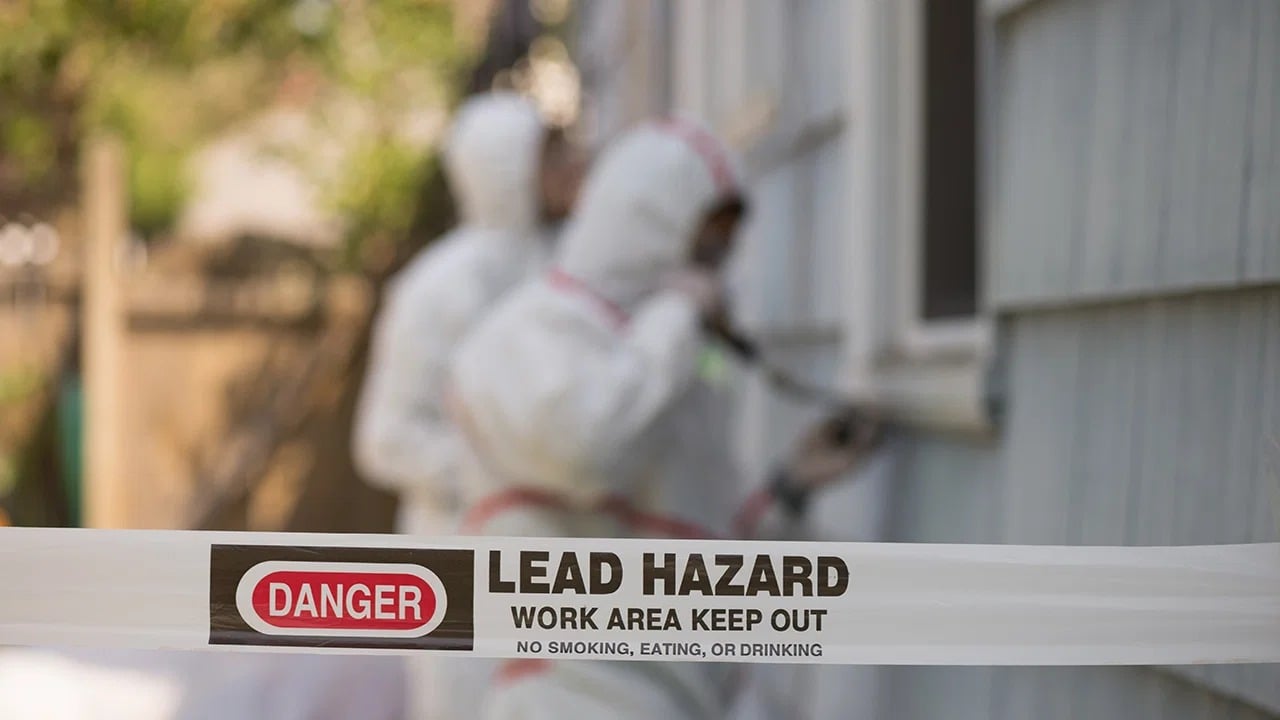
Understanding the risks of lead poisoning in older homes and what buyers and sellers need to know about disclosure requirements.

A strategic guide to navigating the home selling process, from understanding your motives to closing the deal with confidence.

Discover the truth about biweekly mortgage plans and learn how to achieve the same financial savings on your own for free.

Understand why title insurance is a necessary part of the refinancing process and how it protects your lender's investment.

Understand the environmental risks and contractual considerations of underground heating oil tanks when buying or selling a home.

Understanding the differences between hot, normal, and cold real estate markets to help you make informed buying decisions.

Explore the pros and cons of using a land contract as an alternative to traditional non-conforming loans for your property purchase.

Understanding the essential title insurance requirements when holding real property in a living trust.
Whether buying, selling, or relocating between California and Texas, Ashlyn Moore delivers an elevated real estate experience built on integrity, clear communication, and proven results.

Ashlyn Moore | CA DRE# 02018919
Award-Superstars
[email protected]
(949) 274-5840
16000 Preston Rd Ste 100 Dallas, TX 75248 22342 Avenida Empresa Ste 150 Rancho Santa Margarita, CA 92688