What's a FICO®?
Ashlyn Moore August 7, 2024
Ashlyn Moore August 7, 2024
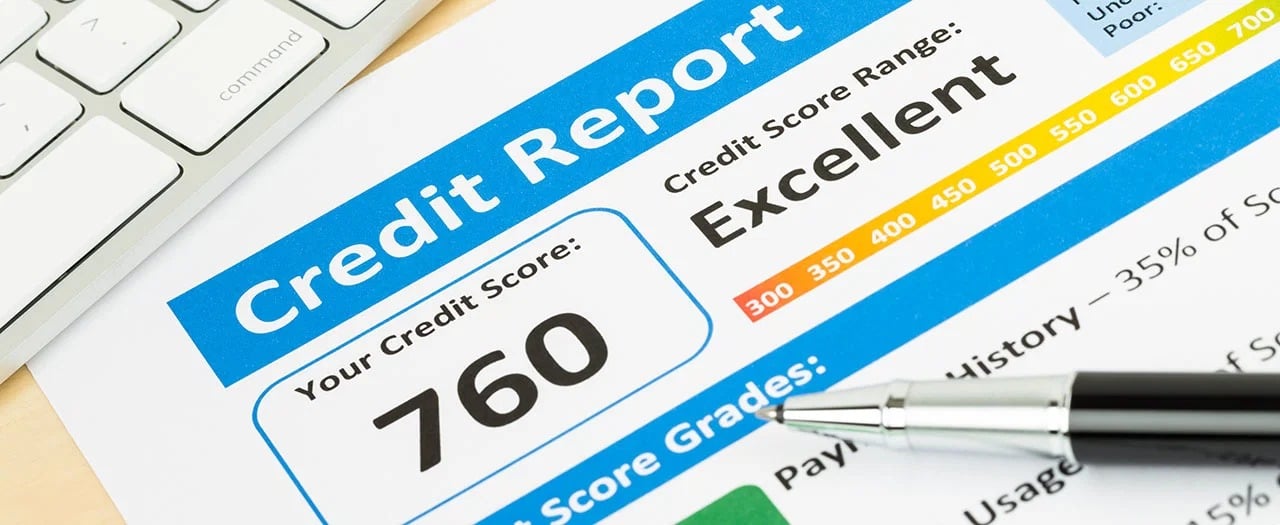
FICO® stands for Fair Isaac and Company and is the name for the most well-known credit scoring system, used by Experian. The credit bureau’s computer evaluates a complete credit profile and assigns a score, which is used to estimate creditworthiness. Each of the three bureaus (Experian, Trans Union, Equifax) employs its own scoring system, so a given person will usually have 3 separate scores. Someone with a higher score will be viewed as a better risk than someone with a lower score. Typically, scores will range from about 600 to 700 or above, although some cases will be outside this range.
There are as many answers to this question as there are loan programs available. Most lenders will take the average of all 3 scores to evaluate an application. Niche loans, such as Easy Qualifier and low down payment loans, will have higher FICO® requirements.
The FICO® model has 5 main elements:
Your score can only be changed by the way that item is reported directly to the credit bureaus (Experian, TU, Equifax). Written confirmation from the creditor is required. It is best to make these corrections before you try to purchase a home, because you can never be sure the exact impact a change will have on your score.
You should have your credit reviewed BEFORE you look for a home, and work with a PROFESSIONAL loan officer to make sure your loan is based on the most accurate information.

Ever wonder how mortgage funding actually works? Discover the cycle of mortgage-backed securities and the role of Fannie, Freddie, and Ginnie Mae.

Understanding the risks of lead poisoning in older homes and what buyers and sellers need to know about disclosure requirements.

A strategic guide to navigating the home selling process, from understanding your motives to closing the deal with confidence.

Discover the truth about biweekly mortgage plans and learn how to achieve the same financial savings on your own for free.

Understand why title insurance is a necessary part of the refinancing process and how it protects your lender's investment.

Understand the environmental risks and contractual considerations of underground heating oil tanks when buying or selling a home.

Understanding the differences between hot, normal, and cold real estate markets to help you make informed buying decisions.

Explore the pros and cons of using a land contract as an alternative to traditional non-conforming loans for your property purchase.

Understanding the essential title insurance requirements when holding real property in a living trust.
Whether buying, selling, or relocating between California and Texas, Ashlyn Moore delivers an elevated real estate experience built on integrity, clear communication, and proven results.

Ashlyn Moore | CA DRE# 02018919
Award-Superstars
[email protected]
(949) 274-5840
16000 Preston Rd Ste 100 Dallas, TX 75248 22342 Avenida Empresa Ste 150 Rancho Santa Margarita, CA 92688